OpenRock X review: open-ear listening with a different set of priorities
Adjustable ear hooks, an open fit and a substantial charging case. We weigh the OpenRock X's everyday strengths against the limits of open-ear audio.

Editorial assessment based on published specifications and source material. HOSHE has not independently tested this product.
The OpenRock X makes a deliberate trade: it leaves the ear canal open instead of trying to seal the outside world away. That changes what a useful earbud should do. For a listener who dislikes silicone tips, the design may matter more than a longer list of audio features. For someone trying to hear a podcast on a crowded train, the same openness can be a disadvantage.
THE SHORT ANSWER
Our verdict
A considered option for an open fit, provided you value awareness more than isolation. Choose sealed earbuds instead for quiet listening on a noisy commute.
Design that starts with fit
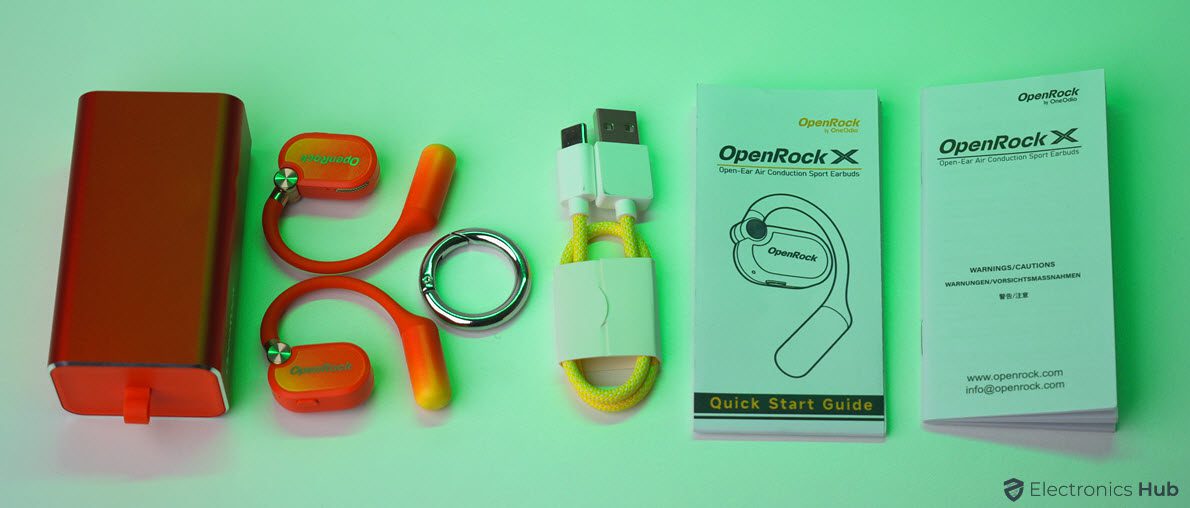
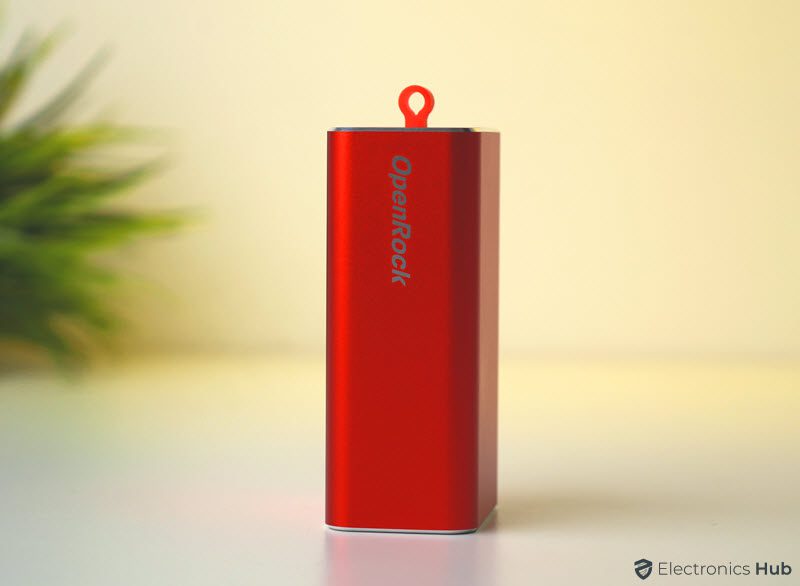
These are air-conduction earbuds: small speakers sit near the ears, supported by adjustable hooks. They are not bone-conduction headphones. The adjustment gives you another way to position the drivers, although a specification sheet cannot tell you whether they will sit comfortably alongside your particular glasses. Buy from a seller with a clear fit-related return policy. The distinctive charging case is part of the appeal, but its size deserves attention if your earbuds normally live in a jeans pocket.
What the specifications mean
OpenRock lists Bluetooth 5.3, multipoint connectivity and an IPX5 water-resistance rating. It advertises up to 12 hours from the earbuds and 48 hours including the case; those are manufacturer laboratory figures, not HOSHE battery results. Treat them as a planning reference rather than a promise for your listening volume. IPX5 does not make the earbuds suitable for swimming, and you should check the case's separate handling instructions.
The important audio compromise
An open ear does not provide the passive isolation of a sealed ear tip. Background sound can compete with music, while sound leakage becomes more relevant in a quiet shared room. Turning the volume up is not a substitute for choosing a design appropriate to your surroundings. The sensible buying decision is therefore about location: an open fit can be appealing around the house, while a sealed alternative makes more sense when your priority is blocking noise.

Before you buy
Compare the complete package rather than the headline battery figure. Consider the charging case, physical controls, phone compatibility and the way the hooks interact with glasses. Check the current app and firmware support for your phone. Open-ear listening also does not guarantee that you will notice every hazard outdoors; use judgment about where and how you listen.
What works
- Open fit avoids an in-ear seal
- Adjustable hooks offer positioning flexibility
- Multipoint supports switching between compatible devices
What to weigh up
- Open design provides little passive isolation
- Charging case is less pocketable than many compact cases
- Fit and sound depend on positioning
Who should buy it?
Consider the OpenRock X if you prefer not to put ear tips in your ears and usually listen in moderately quiet surroundings. Skip it if isolation, the smallest possible case or dependable deep bass in noisy spaces comes first.
The conclusion
A considered option for an open fit, provided you value awareness more than isolation. Choose sealed earbuds instead for quiet listening on a noisy commute.
Visit the brand or retailer →External link. Check the exact model, current price, availability and return terms with the seller.
Sources & photography
Published specifications checked November 3, 2026. Manufacturer claims are identified as such. Photography is credited to its source; supplied publisher images are used with the site owner's authorization. Hero artwork is an editorial illustration, not a photograph of a reviewed product.